Design Strategy

You Don’t Need a Rebrand. What Smart Hospitality Marketers are Doing Instead.

A full rebrand isn't always the answer — and in hospitality, it's rarely where the real opportunity lives. This article makes the case for optimization over overhaul, and shows marketing managers exactly where to look when the brand experience isn't keeping up with the property experience.

Words
Diana Donaldson
Published
March 9, 2026
credit Andy Wang

There's a conversation that happens in hospitality marketing teams more often than anyone likes to admit. Occupancy is softer than expected. A competitor just launched a slick new website. The Instagram feed looks a little tired. Someone in the room says, "Maybe it's time for a rebrand."

And just like that, a six-figure project is on the table.

Sometimes, a rebrand is the right call. But more often than not — especially in hospitality, where brand equity is hard-won and guest loyalty runs deep — the problem isn't the brand. It's the gap between the brand that exists on paper and the brand that guests are actually experiencing.

That gap is almost always closeable without starting over.

The Property Experience and the Brand Experience Are Two Different Things

Here's a tension that's unique to hospitality: the physical experience is often extraordinary, while the brand experience surrounding it is an afterthought.

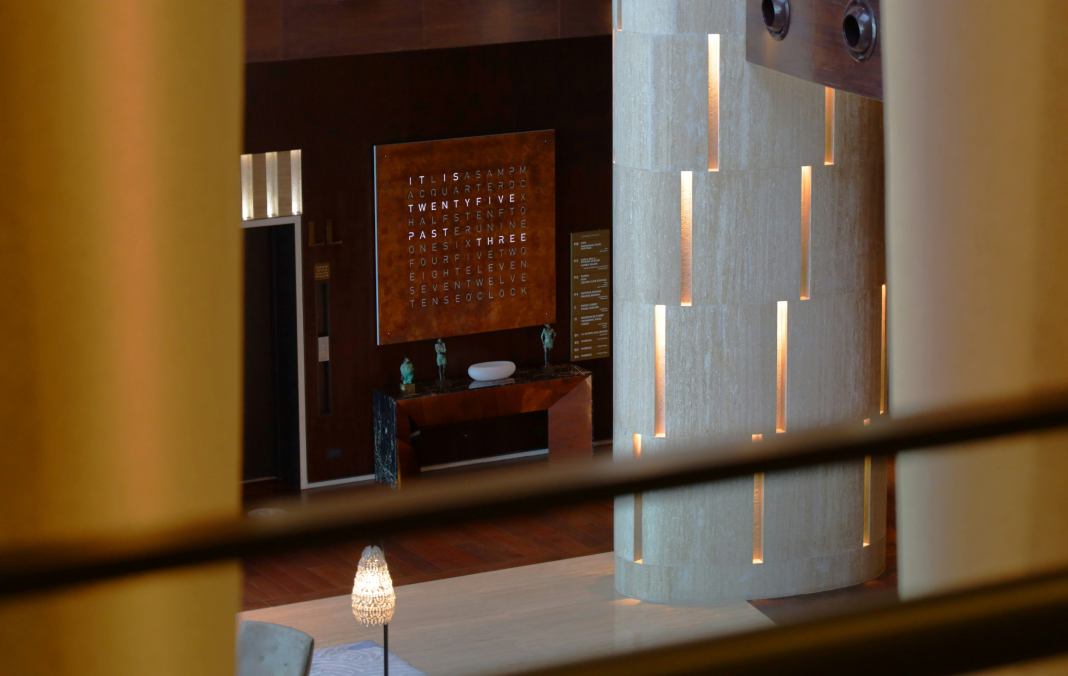
The property itself has been obsessed over. The lobby scent, the thread count, the carefully curated minibar. Every detail of the on-site experience has been considered, refined, and refined again. But the email that confirmed the reservation? Generic. The pre-arrival communication? Forgettable. The post-stay follow-up? A template that could have come from any hotel on any platform.

Guests notice this — maybe not consciously, but they feel it. The brand experience is the container that holds the physical experience. When the container feels inconsistent or underwhelming, it quietly erodes the premium perception you've worked so hard to build.

The good news is that fixing the container rarely requires rebuilding the brand. It requires applying the brand you already have with more intention.

credit AMAN

What's Usually Broken (And It's Not the Logo)

When we work with hospitality brands that feel like they've "outgrown" their identity, we almost always find the same thing: the core brand assets are solid. The real issue is consistency — or the lack of it.

A beautiful logo being used at the wrong scale. Brand photography that looks stunning on the website and nonexistent everywhere else. A tone of voice that's warm and aspirational in the brochure and clipped and transactional in the booking confirmation. A color palette that shows up correctly in print and completely differently on digital.

None of these are brand problems. They're application problems. And they're costing you more than you might think — because every touchpoint where your brand doesn't show up at its best is a missed opportunity to deepen a guest's emotional connection to your property.

What’s a Rich Text element?

What’s a Rich Text element?

What’s a Rich Text element?

What’s a Rich Text element?

The rich text element allows you to create and format headings, paragraphs, blockquotes, images, and video all in one place instead of having to add and format them individually. Just double-click and easily create content.

The rich text element allows you to create and format headings, paragraphs, blockquotes, images, and video all in one place instead of having to add and format them individually. Just double-click and easily create content.

The rich text element allows you to create and format headings, paragraphs, blockquotes, images, and video all in one place instead of having to add and format them individually. Just double-click and easily create content.

  • bullet point
  • bullet point
  • bullet point
  1. bullet point
  2. bullet point
  3. bullet point
adsasdasd
The rich text element allows you to create and format headings, paragraphs, blockquotes, images, and video all in one place instead of having to add and format them individually. Just double-click and easily create content.

The Touchpoints Worth Your Attention Right Now

If you're a marketing manager working with an existing brand and a finite budget, the question isn't "what do we redesign?" It's "where is the gap between our brand's potential and what guests are actually experiencing?"

A few places worth an honest look:

Pre-arrival communications. This is one of the most underinvested sequences in hospitality marketing, and one of the highest-leverage. The window between booking and arrival is prime real estate for building anticipation, communicating value, and setting the emotional tone for the stay. If your pre-arrival emails look like system-generated confirmations, that's a brand experience problem — not a brand problem.

The digital-to-physical handoff. Guests form an impression of your property online long before they arrive. If your website, social presence, and digital marketing feel like they belong to a different brand than the one they encounter on property, the disconnect registers — even if they can't articulate why. Closing that gap is often a matter of applying your existing visual identity more consistently across digital channels, not redesigning the identity itself.

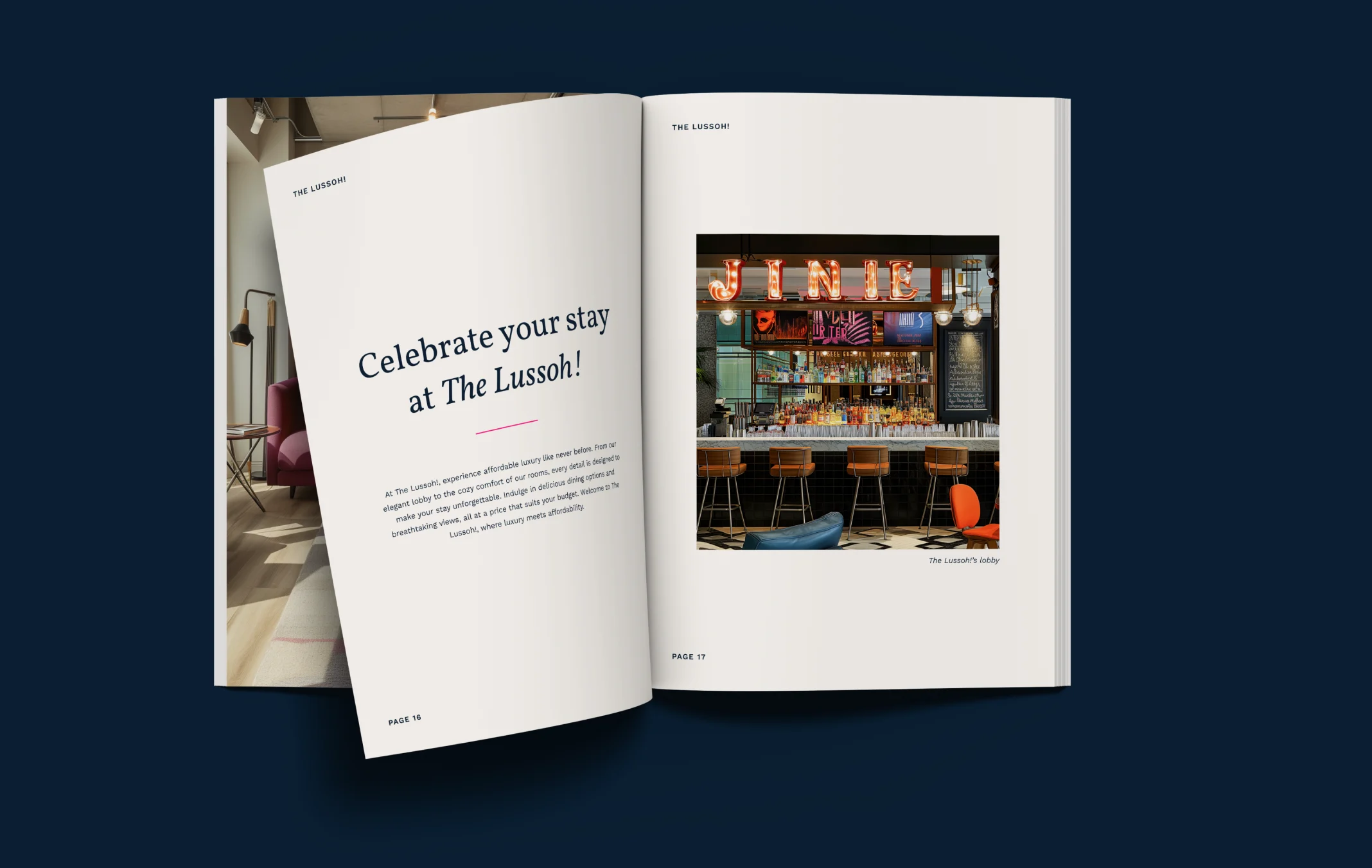
Sales and event collateral. For properties with significant group and event business, the proposal is often the first real brand impression a meeting planner or event buyer receives. An elevated, on-brand proposal communicates quality, attention to detail, and professionalism before a single site visit has happened. This is a place where thoughtful design application consistently moves deals forward — and it doesn't require a rebrand to get there.

What "Optimization" Actually Looks Like

We want to be specific here, because "optimize your brand assets" can sound like vague consultant-speak. In practice, it looks like this:

It's taking the brand photography you already have and building a cohesive visual system around it — so it works just as hard in an email campaign as it does on the homepage. It's establishing clear guidelines for how your brand shows up across every channel, so the team in marketing, the team in sales, and the agency managing your social are all working from the same playbook. It's elevating the design of the touchpoints that carry the most weight in the guest journey — not every touchpoint at once, but the ones where the investment has the most impact.

This kind of work doesn't make headlines the way a full rebrand does. But it compounds. Guests start to feel a coherence in how your brand shows up that builds trust and deepens loyalty. And your team stops reinventing the wheel every time a new campaign launches.

credit Rosewood Hotels

The Question to Ask Before You Commit to a Rebrand

Before the next conversation about starting over, ask this instead: Are we applying what we already have as well as we possibly could be?

If the answer is no — and it usually is — that's where the opportunity lives. A brand that's consistently and beautifully applied at every touchpoint will almost always outperform a shiny new brand that isn't.

Other LE Blog Posts

View all

Let’s Talk About You.

Whether you’re looking for a creative team to lead your branding project or highly-skilled designers to level up your product design, we can help.

connect with us to start your project AT Hello@beindigo.com

Be Indigo helps forward-thinking companies resonate with their ideal customers at every touchpoint. Balancing elegant form and seamless function, we distill larger-than-life ideas into premium, comprehensive design solutions.

Learn more