Design Strategy

Leverage Design as a Direct Booking Trust Factor

For luxury guests, the transition from a major marketplace to a direct booking site is a test of professional credibility. When the corporate safety net of a platform is removed, your brand’s visual authority must step in to bridge the gap. This article explores how to apply institutional design standards to de-risk the transaction and elevate your portfolio from a list of properties to a respected hospitality brand.

Words
Diana Donaldson
Published
January 6, 2026

The moment a guest leaves the familiar safety of a major booking platform to book directly with you, their mindset shifts instantly from anticipation to scrutiny.

Outside the walled garden of a platform like Airbnb, your guest no longer has a multi-billion dollar corporate guarantee to fall back on. They are now evaluating your legitimacy in real-time. To bridge this trust gap, you must look at your brand through a different lens — not just as an aesthetic choice, but as a fundamental trust factor.

Here is how you can use visual authority to signal institutional stability and turn skeptical browsers into confident direct bookings.

Establish "Institutional Signal" to Eliminate Guest Risk

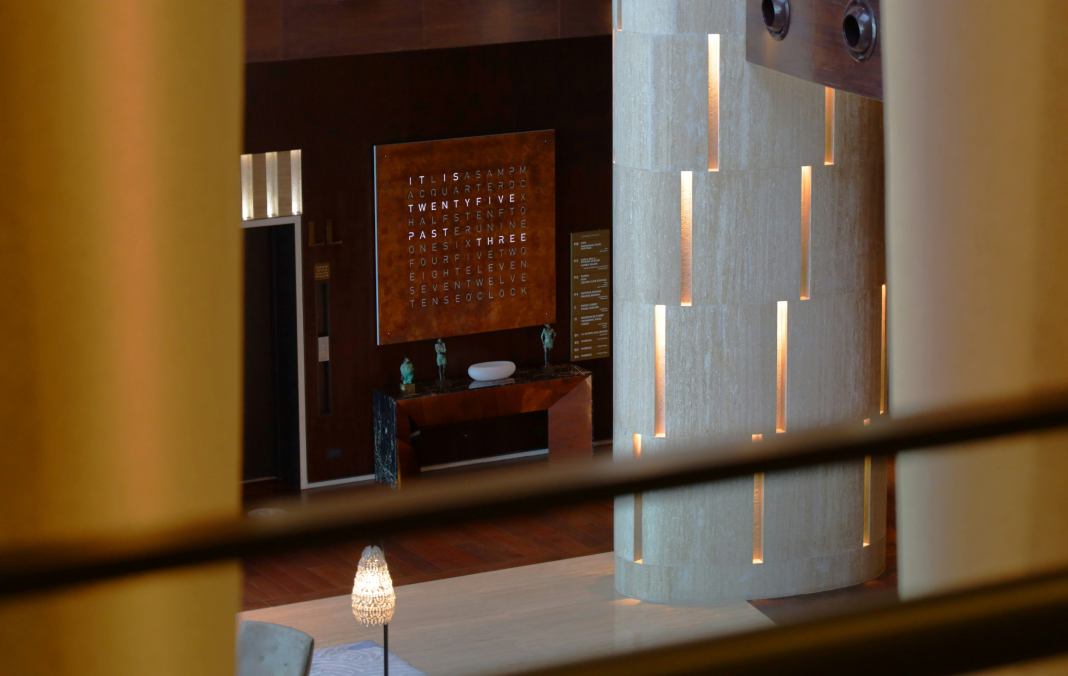
In luxury hotels and resorts, trust is built through the visual architecture of permanence. When a guest visits the website of a brand like Marriott or Alila, they aren't just looking at rooms; they are absorbing a "signal" that the organization is stable and elevated across the board.

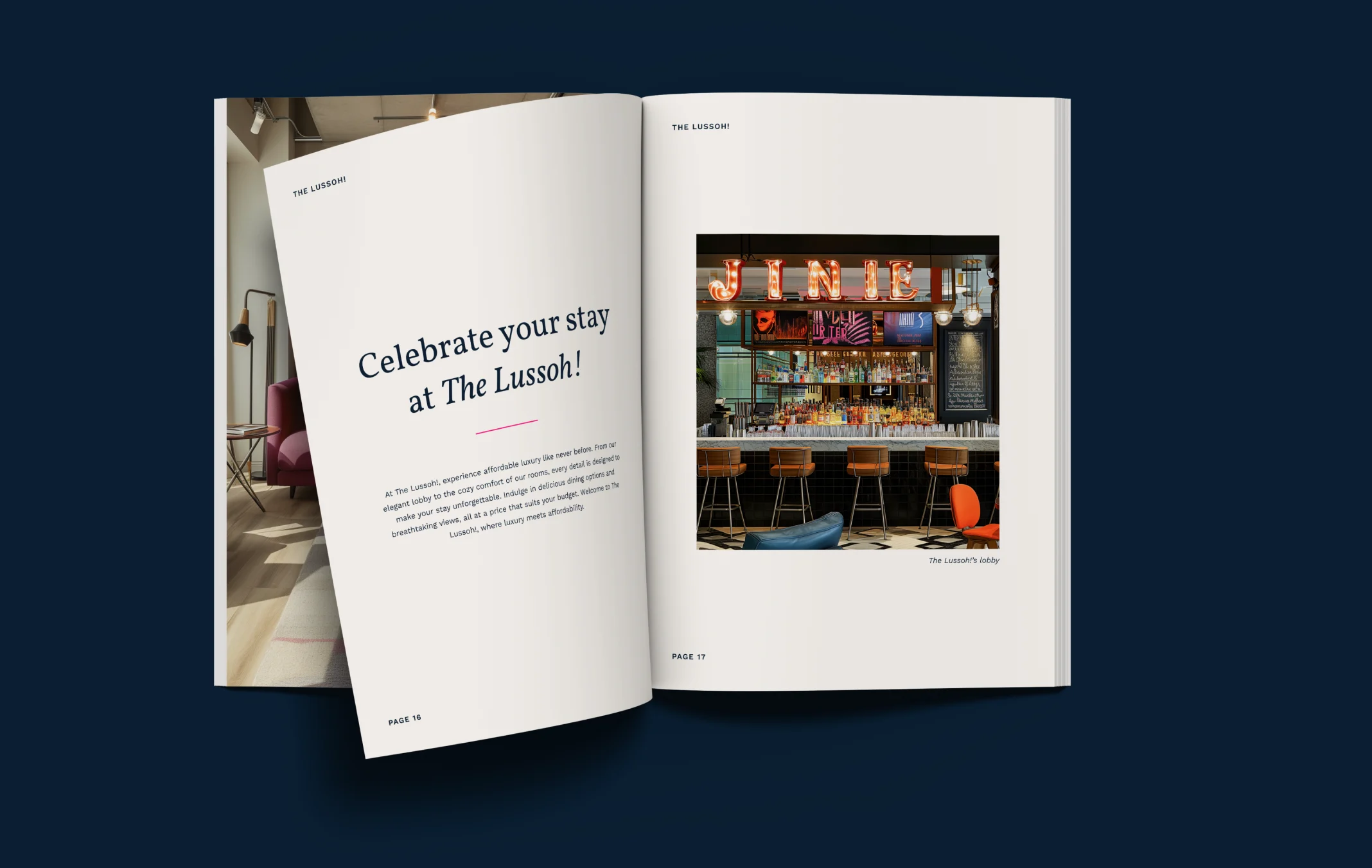
For a luxury VRMC, your branding must perform this same service. If your digital presence feels fragmented or "homemade," you are inadvertently signaling a lack of operational maturity. By adopting an institutional visual standard—consistent brand elements, intentional layouts, and a sophisticated color language—you prove that you are an established hospitality entity. This de-risks the transaction by showing the guest that your company has the infrastructure to support a five-figure booking.
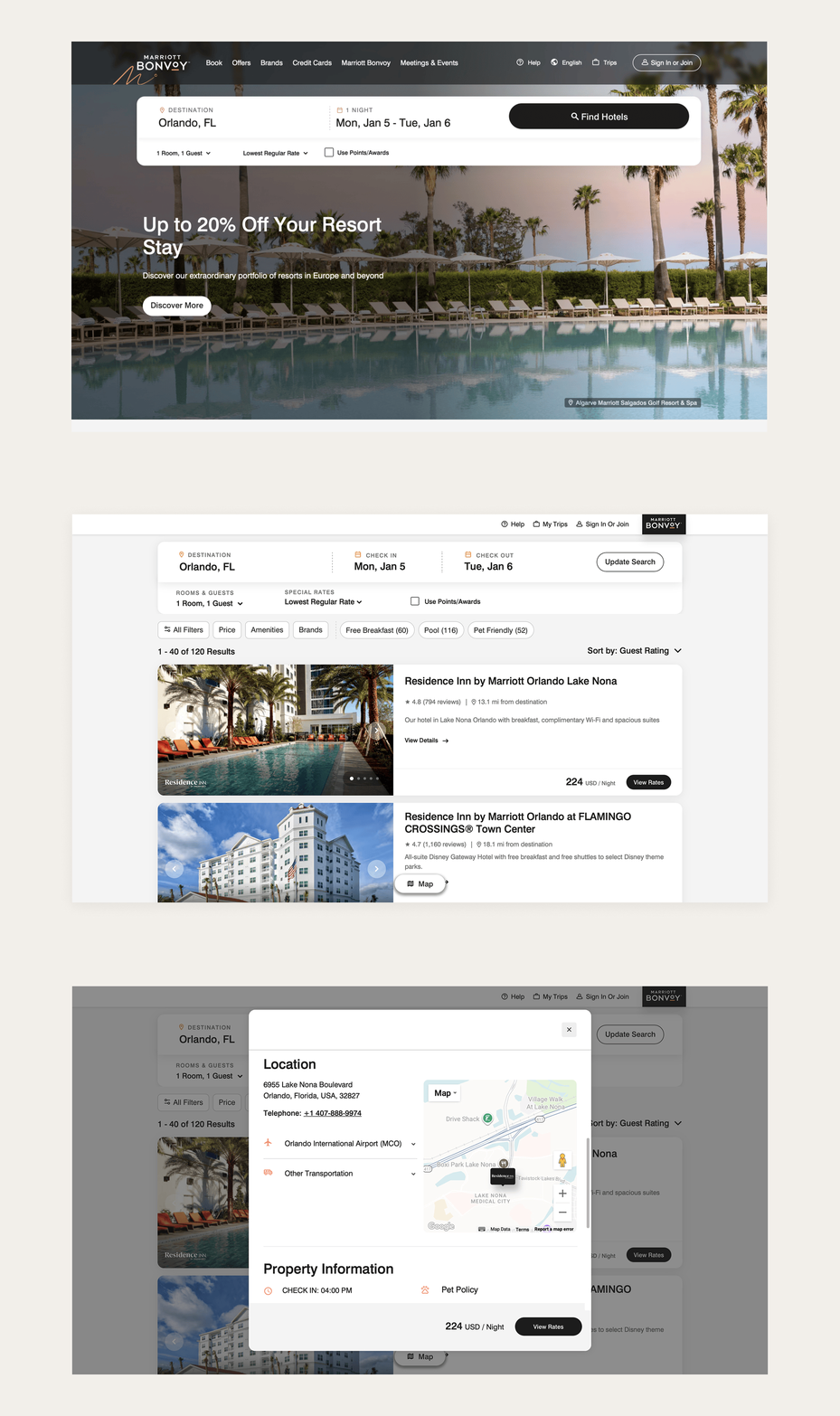
credit Marriott Bonvoy

Narrative Continuity

Trust is easily broken by inconsistency. If your Instagram looks like a luxury magazine but your booking confirmation looks like a plain-text receipt from a local hardware store, the guest’s "scam radar" immediately spikes.

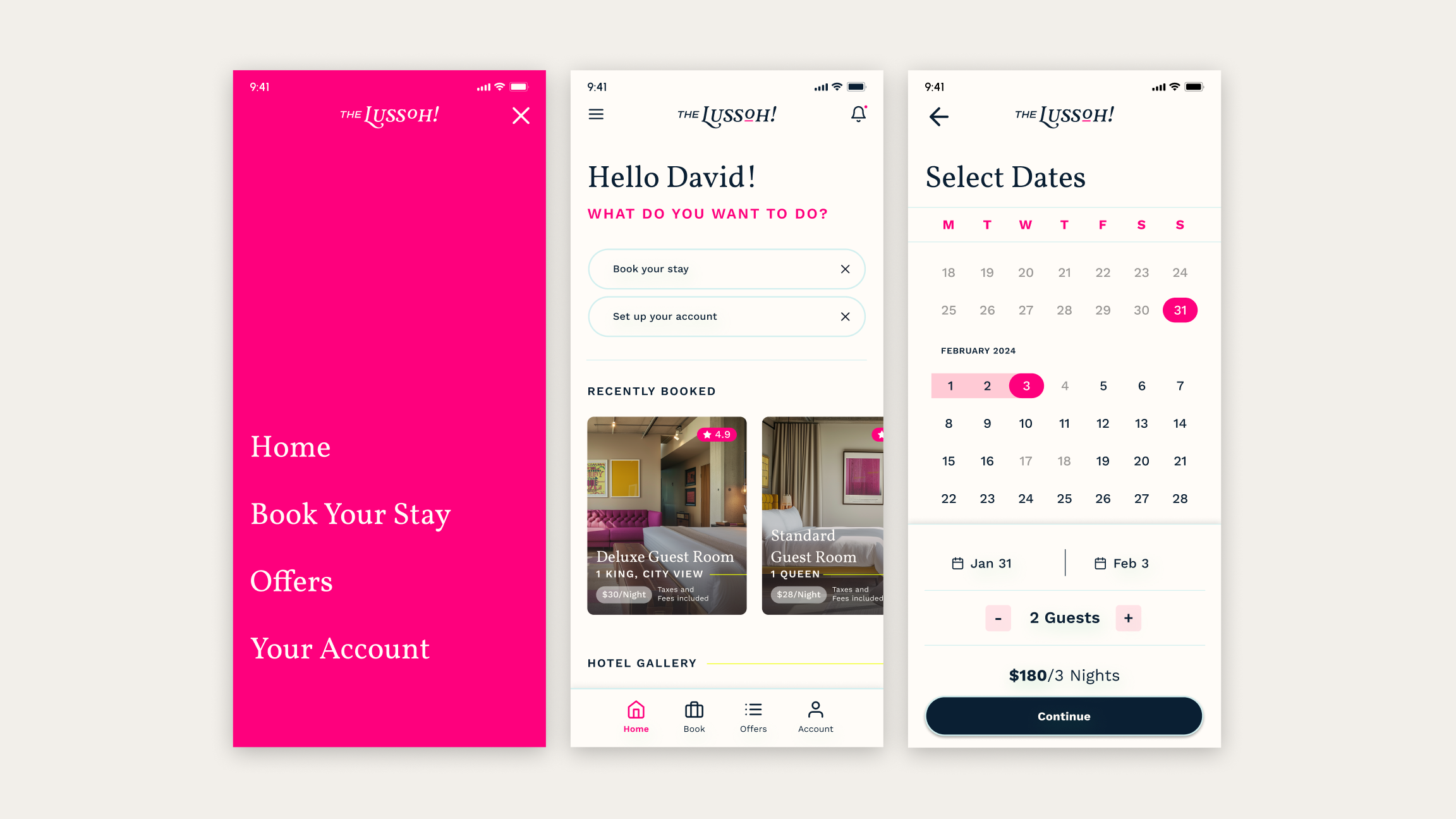
To maintain luxury positioning, you must implement a cohesive narrative across every touchpoint. This means your brand voice and visual identity must be identical from the first social media ad to the final ‘Thank You for Staying with Us’ email.

This level of continuity is a hallmark of high-end hospitality; it signals that every detail of the guest's stay is being managed with the same level of care. When the branding is seamless, the guest feels they are in the hands of a professional organization rather than an individual with a few properties.

What’s a Rich Text element?

What’s a Rich Text element?

What’s a Rich Text element?

What’s a Rich Text element?

The rich text element allows you to create and format headings, paragraphs, blockquotes, images, and video all in one place instead of having to add and format them individually. Just double-click and easily create content.

The rich text element allows you to create and format headings, paragraphs, blockquotes, images, and video all in one place instead of having to add and format them individually. Just double-click and easily create content.

The rich text element allows you to create and format headings, paragraphs, blockquotes, images, and video all in one place instead of having to add and format them individually. Just double-click and easily create content.

  • bullet point
  • bullet point
  • bullet point
  1. bullet point
  2. bullet point
  3. bullet point
adsasdasd
The rich text element allows you to create and format headings, paragraphs, blockquotes, images, and video all in one place instead of having to add and format them individually. Just double-click and easily create content.

Replace Marketplace Noise with Elevated Confidence

Major booking platforms are designed as marketplaces—they are intentionally loud, cluttered, and focused on "scarcity" to drive quick decisions. Luxury guests, however, are repelled by this high-friction environment.

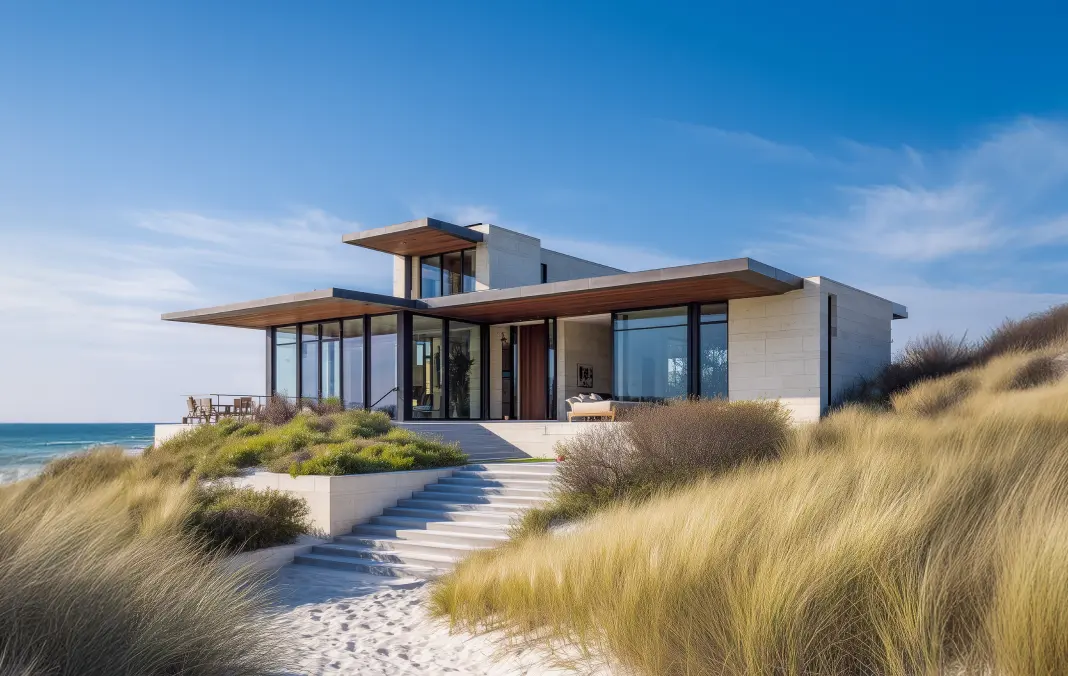
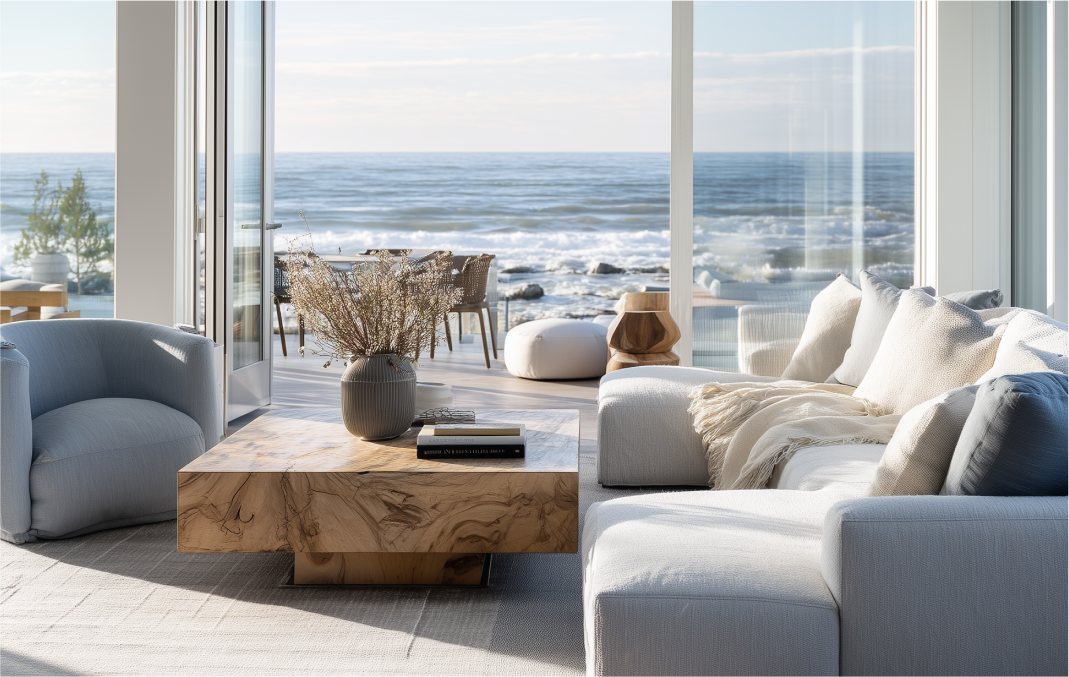
Leveraging design as a trust factor means moving away from marketplace clutter and toward a flagship experience. By using minimalist layouts and prioritizing high-fidelity, editorial-style imagery, you project a sense of confidence and calm. This visual "quiet" is a powerful psychological trigger in the luxury sector; it suggests that you don't need to shout to prove your value. You are positioning your brand as a destination in itself, rather than just another row in a search result.

From "Manager" to "Hospitality Institution"

Platforms want your properties to be interchangeable commodities in their catalog. To win the direct booking war, you must evolve from a "property manager" into a "hospitality brand."

When you apply the same visual standards used by the world's leading hotel groups, you aren't just making things look better—you are eliminating the friction of fear. By establishing visual authority, you ensure that the guest's decision to book direct isn't a gamble; it’s a privilege.

Other LE Blog Posts

View all

Let’s Talk About You.

Whether you’re looking for a creative team to lead your branding project or highly-skilled designers to level up your product design, we can help.

connect with us to start your project AT Hello@beindigo.com

Be Indigo helps forward-thinking companies resonate with their ideal customers at every touchpoint. Balancing elegant form and seamless function, we distill larger-than-life ideas into premium, comprehensive design solutions.

Learn more