
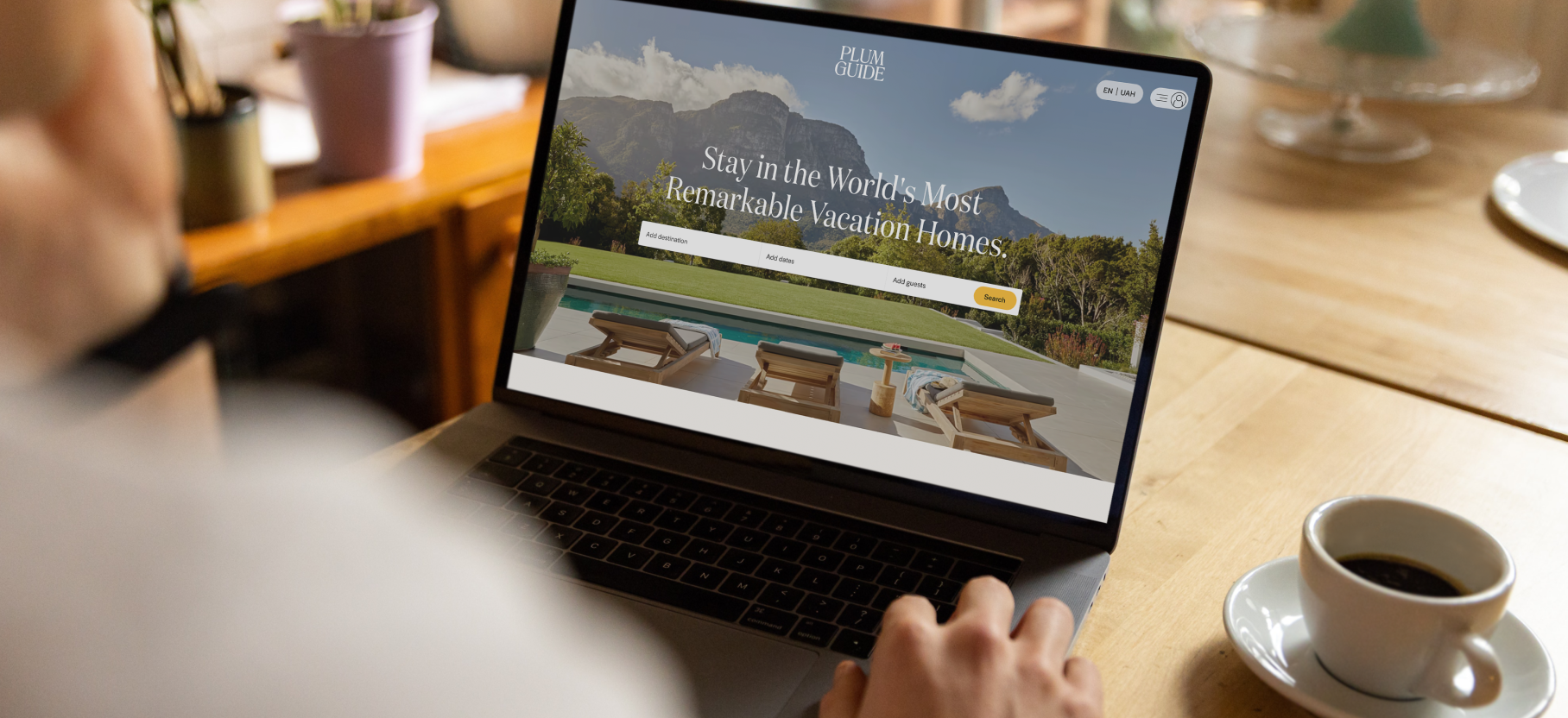

In the luxury vacation rental market, the "trust gap" is the space between a guest liking a property and that same guest feeling safe enough to pay for it.
On a major platform, the guest pays for a sense of security. They believe that if the house is a "ghost" or the host is a fraud, a multi-billion dollar corporation will step in to make it right. When you ask a guest to book direct, you are asking them to bridge that gap on their own. For a $20,000 or $50,000 booking, that is a significant emotional and financial hurdle. To convert these high-ticket guests, you must use branding to eliminate the "friction of fear" and replace it with implicit assurance.
The Visual Cues of Legitimacy
Fear in the booking process is usually triggered by "micro-inconsistencies." A guest sees a beautiful villa on Instagram, but the booking URL looks different, or the checkout page feels dated. These small breaks in the visual chain signal unprofessionalism, which the guest’s brain translates as "risk."
Institutional hospitality brands eliminate this fear through absolute consistency. When you book a room at a high-end hotel, every step shares the same "visual DNA." To eliminate friction, a luxury VRMC must implement what we call trust architecture:
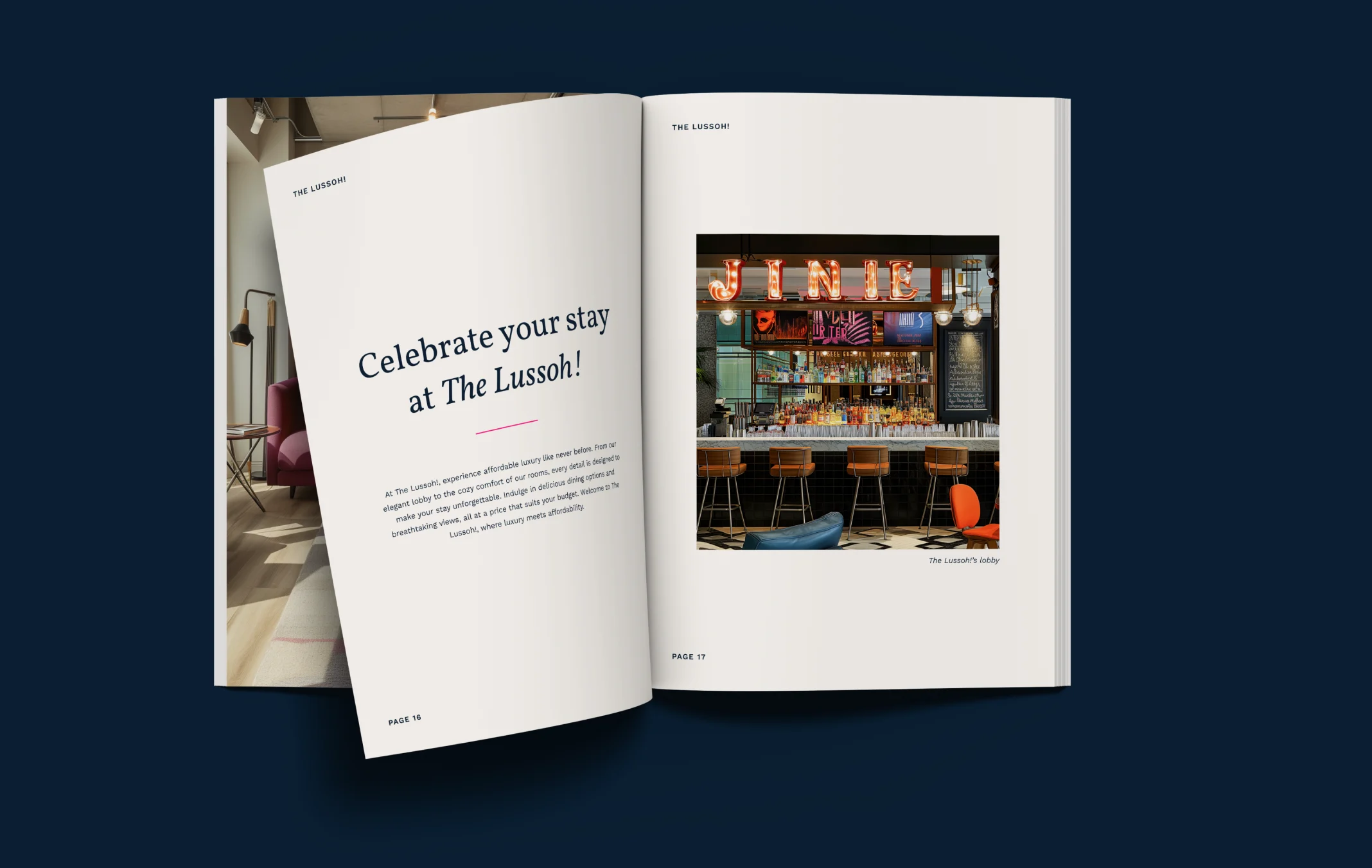
- Professional Correspondence: The email following an inquiry shouldn't be a plain-text automated notification. It should be a branded, high-fidelity piece of digital stationery that mirrors the quality of the home itself.
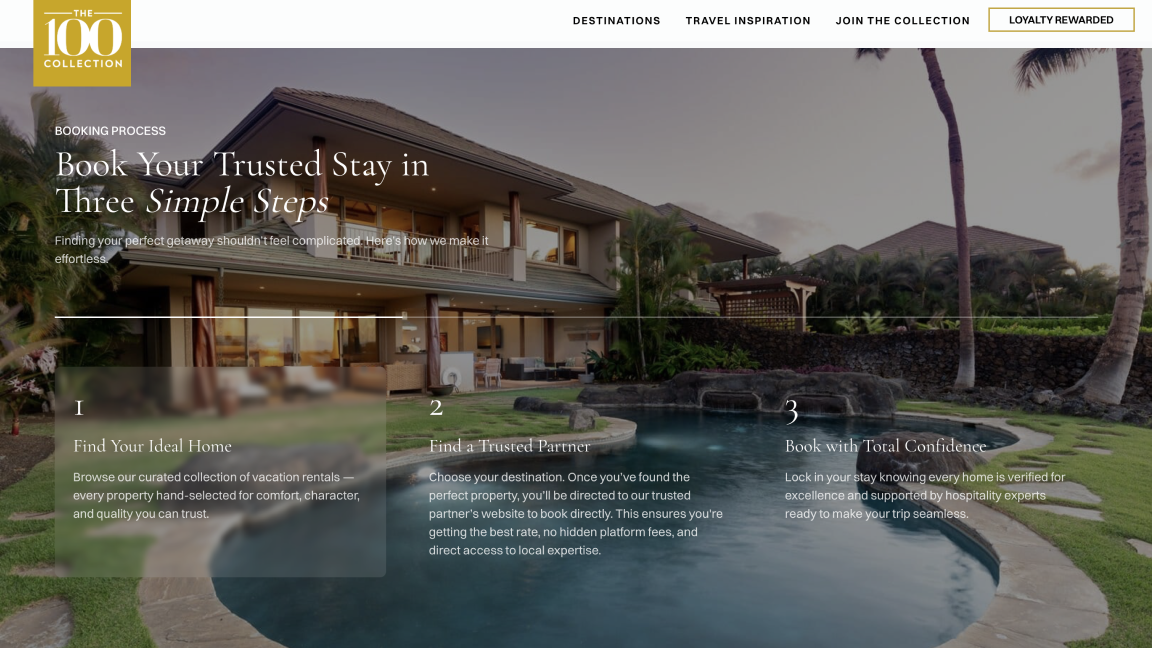
- Branded Booking Portals: The moment a guest enters credit card details is the moment of highest anxiety. If your booking screen is a generic, unbranded third-party pop-up, friction increases. If that screen is seamlessly integrated into your brand's visual system, the guest feels the institutional weight of your company.








%20Email%20Design%20Review%20Thumbnail%202x%20534%20x%20349.webp)


