


Few things signal a brand identity crisis more clearly than a guest referring to a multi-million dollar estate as "an Airbnb."
To the guest, that label represents a generic, platform-backed commodity. To the operator, it represents a failure of brand sovereignty. When a business exists solely in the shadow of a third-party marketplace, it is building on "rented land." These platforms intentionally erase your identity to favor their own, subjecting your firm to their rules, their whims, and their deliberate efforts to commoditize your portfolio.
Thriving as an independent entity requires enough visual and strategic gravity to eclipse the platform entirely.
The Hidden Cost of the Platform Safety Net
Major marketplaces like Airbnb and VRBO have spent billions to ensure that when a guest thinks of a private home stay, the platform is the primary thought. This "walled garden" is a strategic move to keep the guest—and their data—inside.
By standardizing every listing into the same interface, these platforms strip away the unique character of your firm. Relying on "rented land" for guest acquisition carries a price far higher than a commission fee: it costs you your reputation. If the platform owns the booking, the communication, and the insurance, they own the guest. In this scenario, you are not a hospitality brand; you are a service provider for an algorithm.
The Luxury Benchmark: Defining the Institutional Standard
Global hospitality leaders like Hyatt, Alila, and Marriott do not suffer from identity confusion. A guest does not say they are staying at "an Expedia"; they say they are staying at the Park Hyatt.
This distinction is built through the meticulous application of brand standards at every touchpoint. In our work with these global icons, the objective was never to blend in. The goal was to create a visual world so distinct that the guest could recognize the brand instantly. For a luxury rental firm, achieving this level of memorability requires a departure from "marketplace-style" presentation and an embrace of institutional-grade authority.
Reclaiming Identity via Editorial Design
The primary reason guests default to the "Airbnb" label is that most rental websites mirror the platforms they are trying to escape. They use the same grids, the same iconography, and the same generic photography.
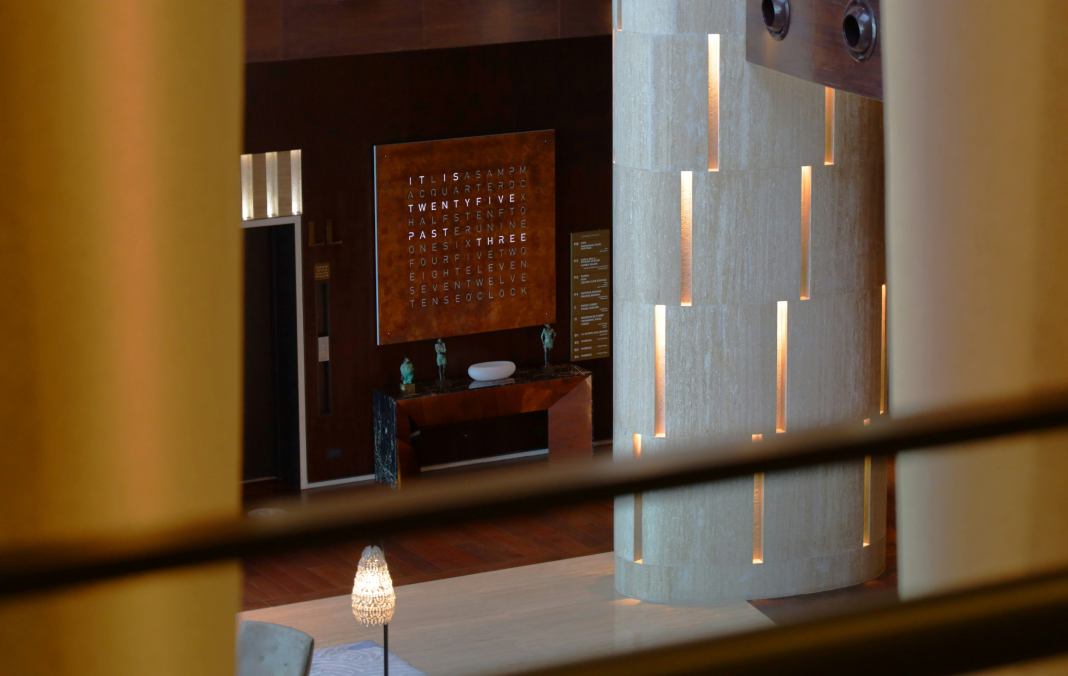
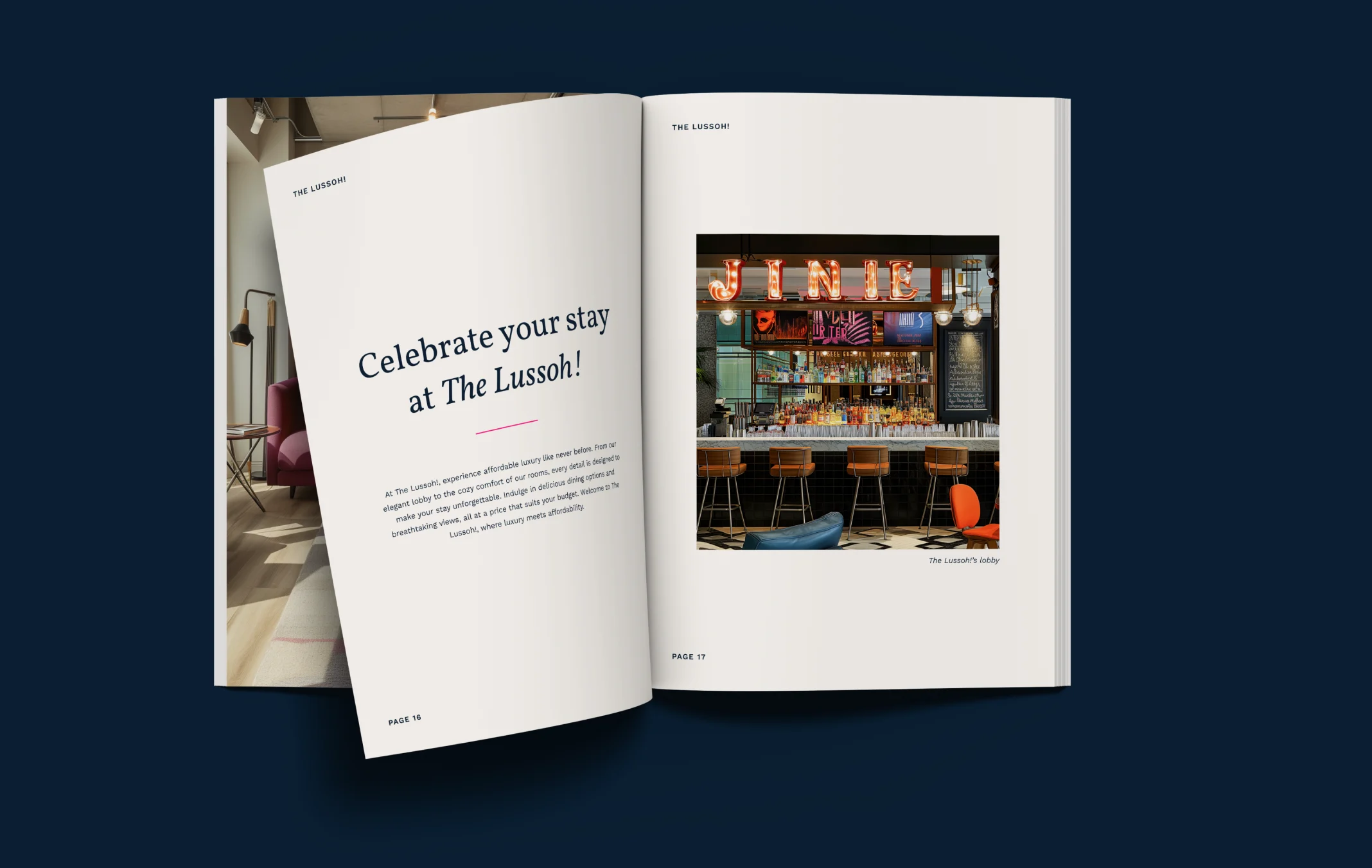
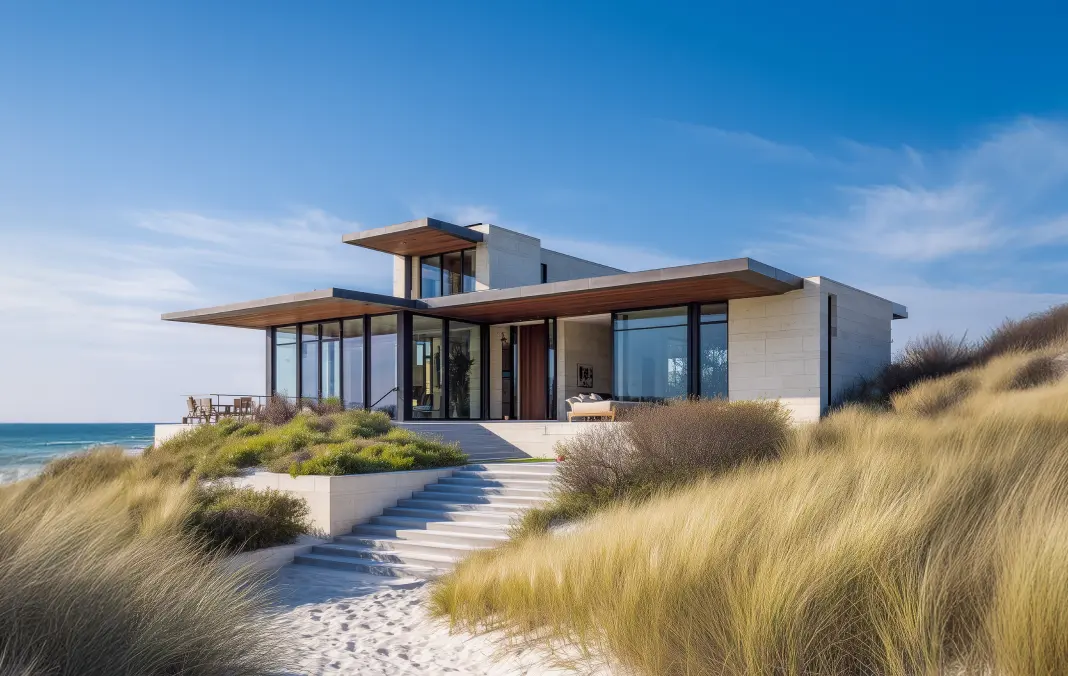
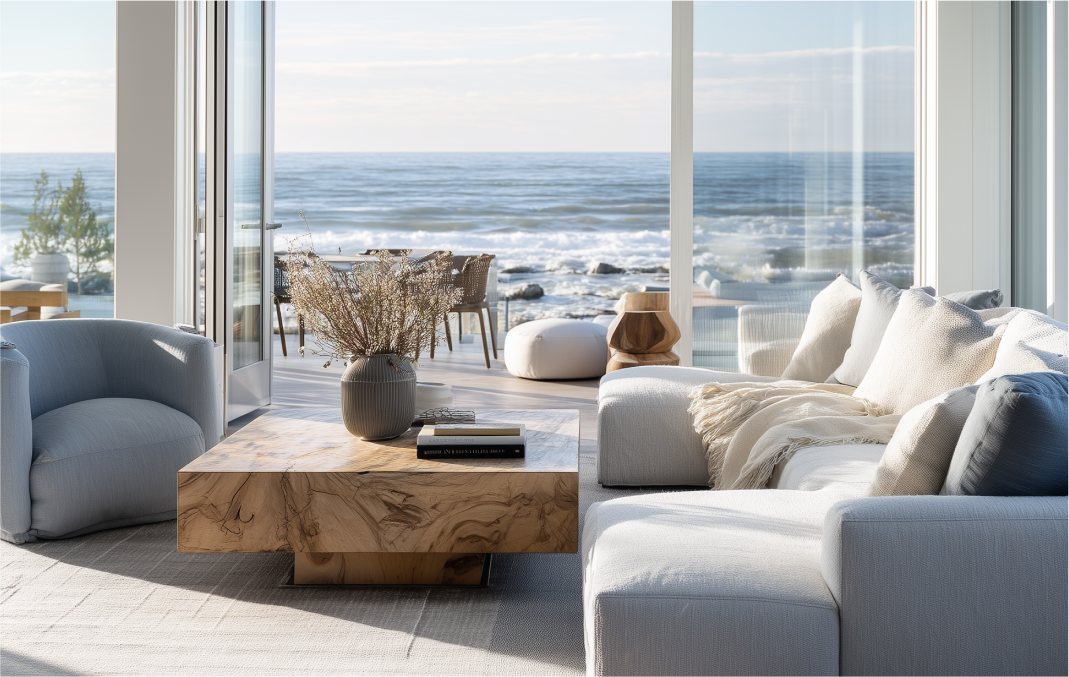
To stop being "an Airbnb," a digital flagship must look like an institution. This requires editorial design techniques: cinematic, high-fidelity imagery that tells a story, sophisticated typography, and a "visual quiet" that marketplace clutter cannot achieve. When a brand presents itself with the same polish as a luxury publication, it signals sovereignty. You are no longer just a host; you are the curator of a professionalized hospitality experience.








%20Email%20Design%20Review%20Thumbnail%202x%20534%20x%20349.webp)


