


In global hospitality, a "flagship" property is the physical embodiment of a brand’s promise. When a group like Hyatt or Alila launches a flagship, it serves as the north star for their service standards and design language. For a luxury vacation rental management company, your direct booking website is your digital flagship.
Many VRMCs treat their own website as a secondary storage bin for property data while pouring their best energy—professional photography, meticulous descriptions, and rapid responses—into their Airbnb or VRBO listings. This creates a strategic paradox: you are asking guests to trust you directly, yet your most authoritative presence is on a third-party marketplace.
To win the direct booking war, your flagship site must fundamentally outperform your listings.
Moving Beyond the "Mirror" Site
Most VRM software allows you to "sync" your listings to a direct site. The result is often a mirror of the OTA: the same grid, the same icons, and the same transactional feel. If your website is a carbon copy of your Airbnb profile, you haven't given the guest a reason to move. You have simply moved the transaction to a less secure-feeling environment.
A true digital flagship leverages visual authority to provide depth that a marketplace cannot:
- Brand Narrative over Property Specs: While a marketplace forces you into bullet points, your flagship allows you to tell a story. You aren’t just selling a four-bedroom villa; you are selling a curated lifestyle that only your brand can deliver.
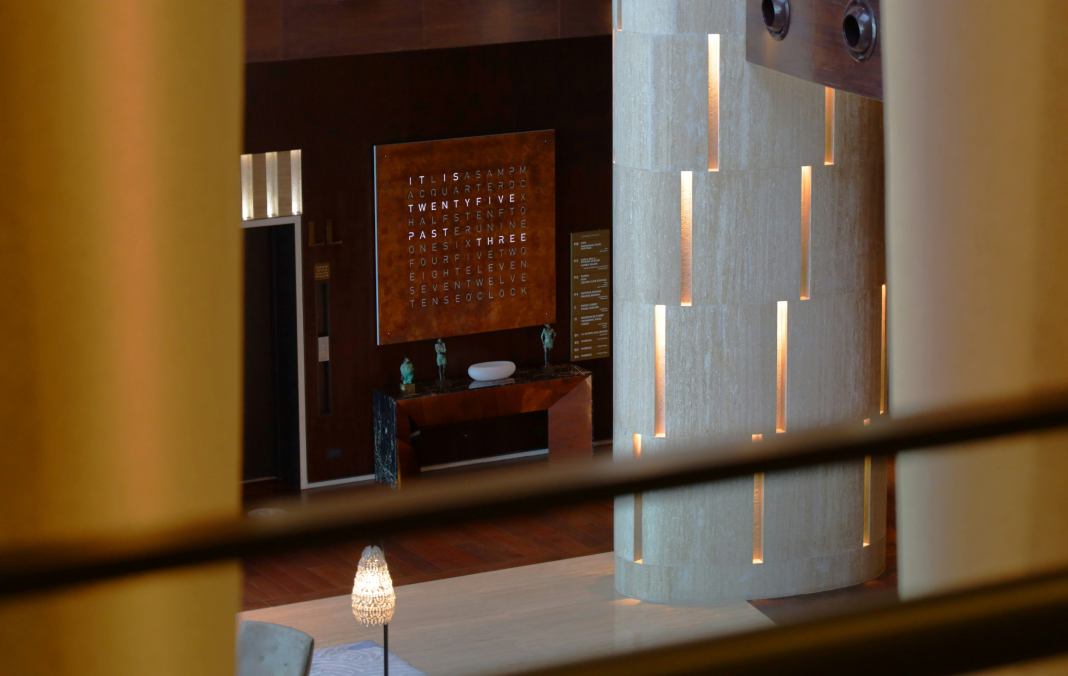
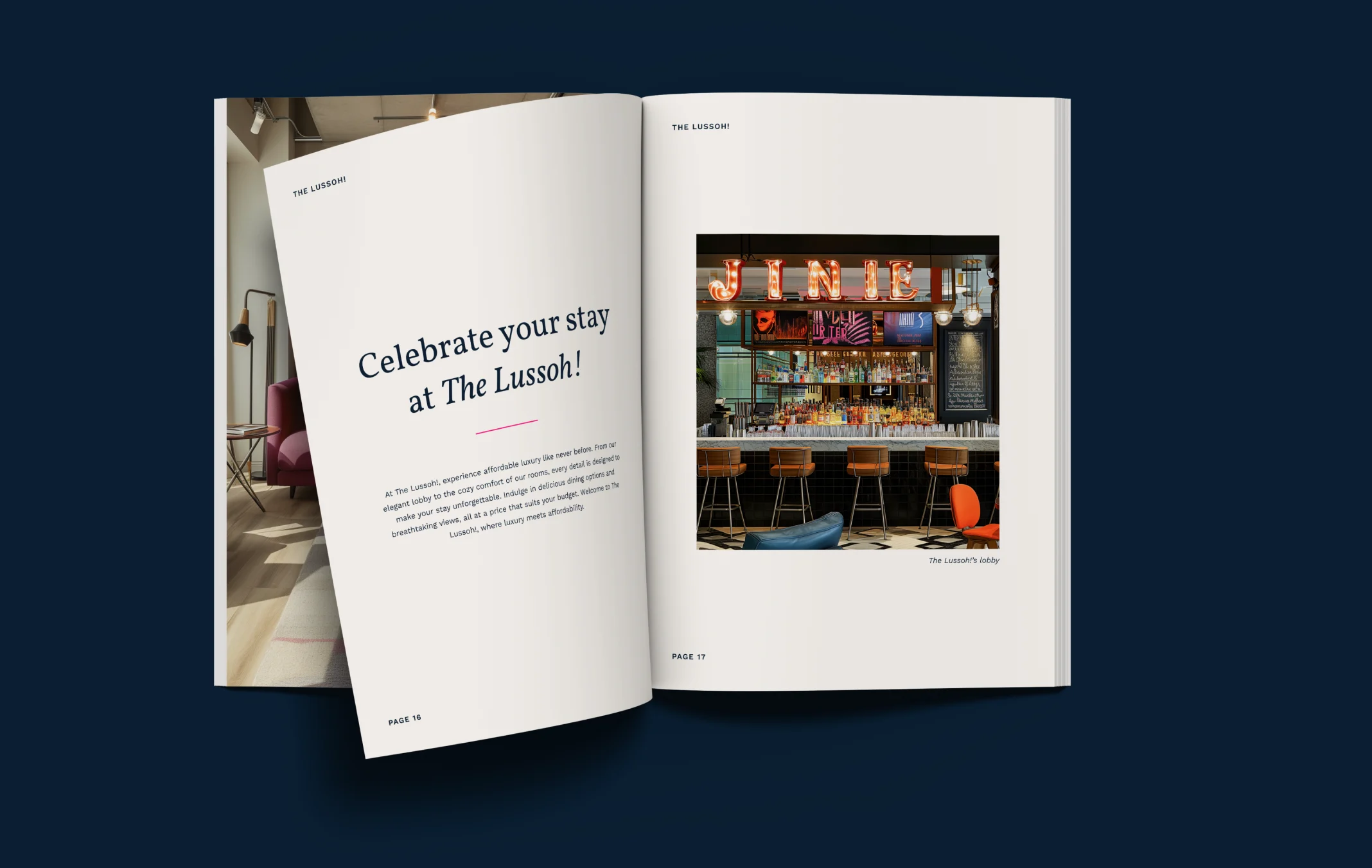
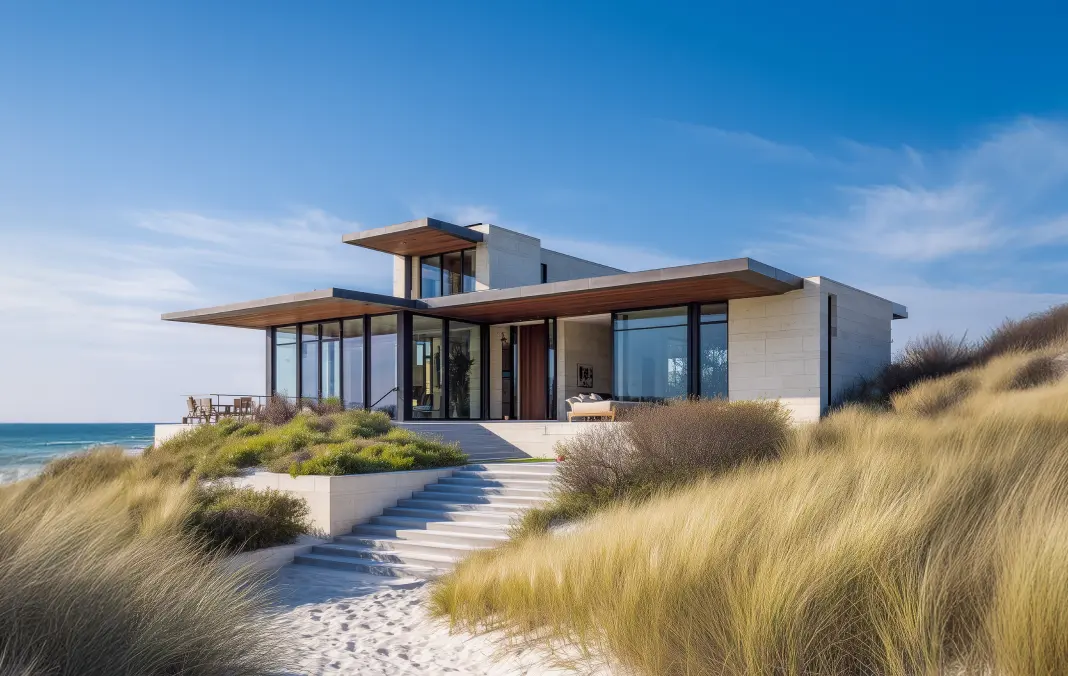
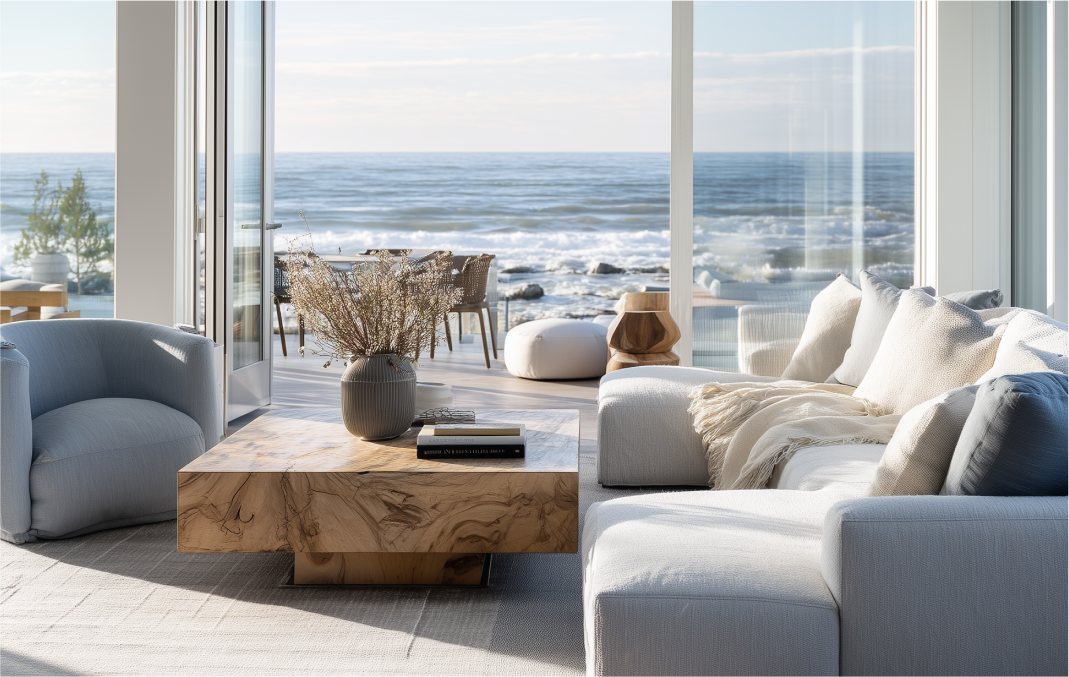
- Editorial-Grade Experience: High-net-worth guests are used to the immersive, "quiet luxury" of flagship hotel sites. Your site should prioritize high-fidelity imagery and a layout that "breathes," signaling that you are a boutique hospitality firm, not a high-volume booking engine.







%20Email%20Design%20Review%20Thumbnail%202x%20534%20x%20349.webp)


