Design Strategy

The Best Tech Brands Already Think Like Hoteliers — Here's What That Means

Amuse-bouche: Luxury hospitality has spent decades perfecting something the tech industry is only just beginning to take seriously — the emotional arc of a brand experience. This article unpacks what the best tech brands are quietly borrowing from the hotel world, and what it means for founders and CMOs who want to build something that actually resonates.

Words
Diana Donaldson
Published
March 16, 2026
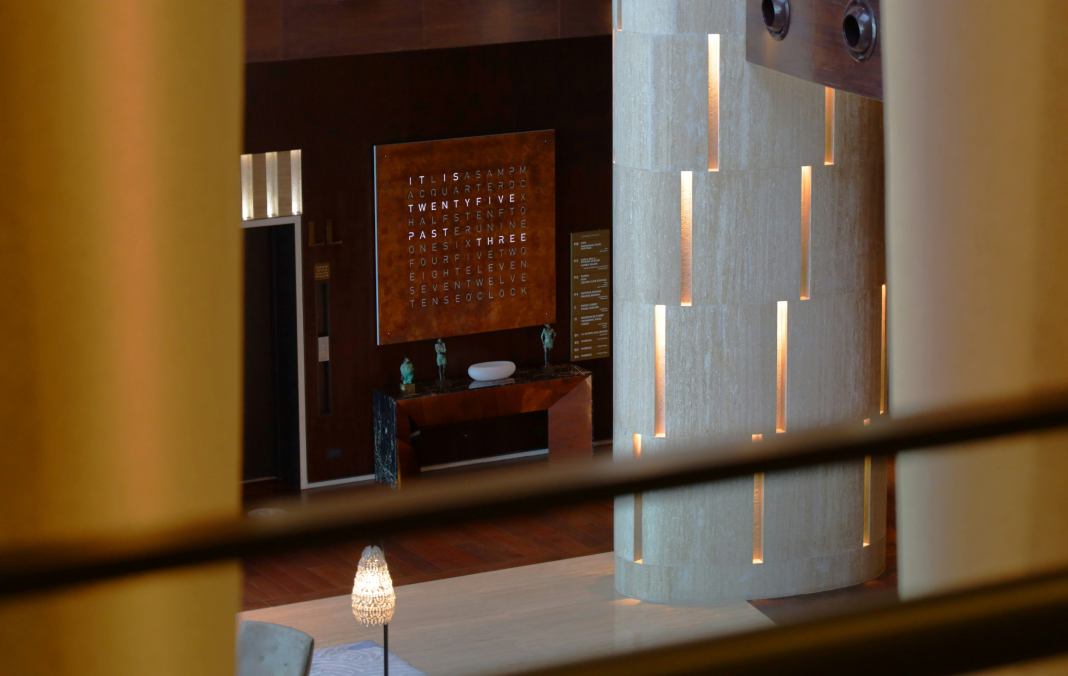
credit The Ritz-Carlton New York, Central Park

There's a reason people talk about staying at The Ritz the way they talk about falling in love. Every detail — the way you're greeted by name, the handwritten note on the pillow, the seamless choreography between check-in and concierge — has been deliberately designed to make you feel something. Not just satisfied. Seen.

For decades, that level of brand intentionality was considered the exclusive domain of luxury hospitality. Tech companies, meanwhile, were busy shipping features and optimizing funnels. Emotion was something that happened to users, not something that was designed for them.

That's changing. And the tech companies leading the next wave of brand loyalty aren't doing it by accident — they're doing it by borrowing, consciously or not, from the hospitality playbook.

Hospitality's Unfair Advantage

Luxury hotels have always understood something that took the tech industry decades to learn: the product is not the point. The point is how the product makes you feel.

A hotel room is, at its most reductive, a bed and a bathroom. What transforms it into an experience worth paying a premium for — and worth talking about afterwards — is everything surrounding it. The anticipation built before arrival. The warmth of the welcome. The sense that every detail was considered with you in mind. The feeling, when you leave, that something memorable happened.

This is what brand experience actually means. Not a logo system or a color palette. The complete emotional journey a person takes with your brand — from the moment they first encounter it to long after the transaction is complete.

The best tech brands have figured this out. And if you look closely, their playbook maps almost perfectly onto what luxury hospitality has been doing for years.

The Onboarding Experience Is Your Lobby

In hospitality, the lobby sets the tone for everything that follows. It's the first physical brand moment — the handshake between the promise of the marketing and the reality of the property. Get it wrong and guests spend the rest of the stay recalibrating their expectations downward.

In tech, onboarding is your lobby. It's the moment a user crosses the threshold from prospect to customer, and it's where the brand experience either delivers on its promise or quietly disappoints.

The best tech brands treat onboarding the way great hoteliers treat arrival: as an opportunity to make someone feel immediately at home. Clear. Warm. Frictionless. Designed to reduce anxiety and build confidence. Slack's famously friendly onboarding, Notion's almost meditative first-use experience, Stripe's obsessively clean interface — these aren't just good UX. They're hospitality thinking applied to software.

credit Notion

What’s a Rich Text element?

What’s a Rich Text element?

What’s a Rich Text element?

What’s a Rich Text element?

The rich text element allows you to create and format headings, paragraphs, blockquotes, images, and video all in one place instead of having to add and format them individually. Just double-click and easily create content.

The rich text element allows you to create and format headings, paragraphs, blockquotes, images, and video all in one place instead of having to add and format them individually. Just double-click and easily create content.

The rich text element allows you to create and format headings, paragraphs, blockquotes, images, and video all in one place instead of having to add and format them individually. Just double-click and easily create content.

  • bullet point
  • bullet point
  • bullet point
  1. bullet point
  2. bullet point
  3. bullet point
adsasdasd
The rich text element allows you to create and format headings, paragraphs, blockquotes, images, and video all in one place instead of having to add and format them individually. Just double-click and easily create content.

Personalization Is a Brand Statement, Not a Feature

Luxury hotels have always personalized at scale — remembering a returning guest's preferred room temperature, having their usual drink waiting at check-in, addressing them by name in every interaction. This isn't technology. It's philosophy. The philosophy that every person who encounters your brand deserves to feel like they were expected.

In tech, personalization has long been treated as a product feature rather than a brand value. Something that lives in the settings menu, not in the DNA of how the company thinks about its customers.

The shift happening now — in the brands that are winning — is that personalization is being treated as a core expression of respect for the customer. It's showing up in how products surface relevant information, how customer success teams communicate, how renewal conversations are framed. Not "here's what our product does" but "here's what we've noticed about how you use it, and here's what we think could be even better."

That's not a product decision. That's a brand decision.

The Post-Experience Matters as Much as the Experience

One of the most underappreciated things luxury hospitality does brilliantly is the exit. The checkout experience, the follow-up, the way a property stays in relationship with a guest after they've left — all of it is designed to keep the emotional residue of the stay alive. To make the guest feel that the relationship didn't end when they handed back the key.

Most tech companies are still treating churn as a product problem when it's really a brand problem. The customer who leaves rarely does so because the features stopped working. They leave because they stopped feeling valued. Because the relationship that was warm during the sales process went transactional the moment they signed.

The tech brands building real loyalty are treating the post-sale experience with the same intentionality that luxury hotels bring to checkout. Thoughtful check-ins that aren't just upsell attempts. Communications that feel personal rather than automated. Moments that remind customers — unprompted — that they made a good decision.

What This Actually Requires

Here's the honest part: thinking like a hotelier doesn't come naturally to most tech companies, because it requires prioritizing how customers feel over how the product functions. In a culture that celebrates shipping velocity and measurable outcomes, investing in emotional experience can feel abstract. Hard to justify in a board deck.

But the brands that have made this shift — that have brought genuine hospitality thinking to their customer experience, their brand communications, and their visual identity — are building something that's genuinely hard to compete with. Because features get copied. Emotional resonance doesn't.

The question for tech founders and CMOs isn't whether your product works. It's whether your brand makes people feel the way The Ritz makes people feel when they walk through the door.

Seen. Taken care of. Like they chose well.

Other LE Blog Posts

View all

Let’s Talk About You.

Whether you’re looking for a creative team to lead your branding project or highly-skilled designers to level up your product design, we can help.

connect with us to start your project AT Hello@beindigo.com

Be Indigo helps forward-thinking companies resonate with their ideal customers at every touchpoint. Balancing elegant form and seamless function, we distill larger-than-life ideas into premium, comprehensive design solutions.

Learn more